
Balance Exercises for Seniors: Improve Stability, Mobility and Prevent Falls
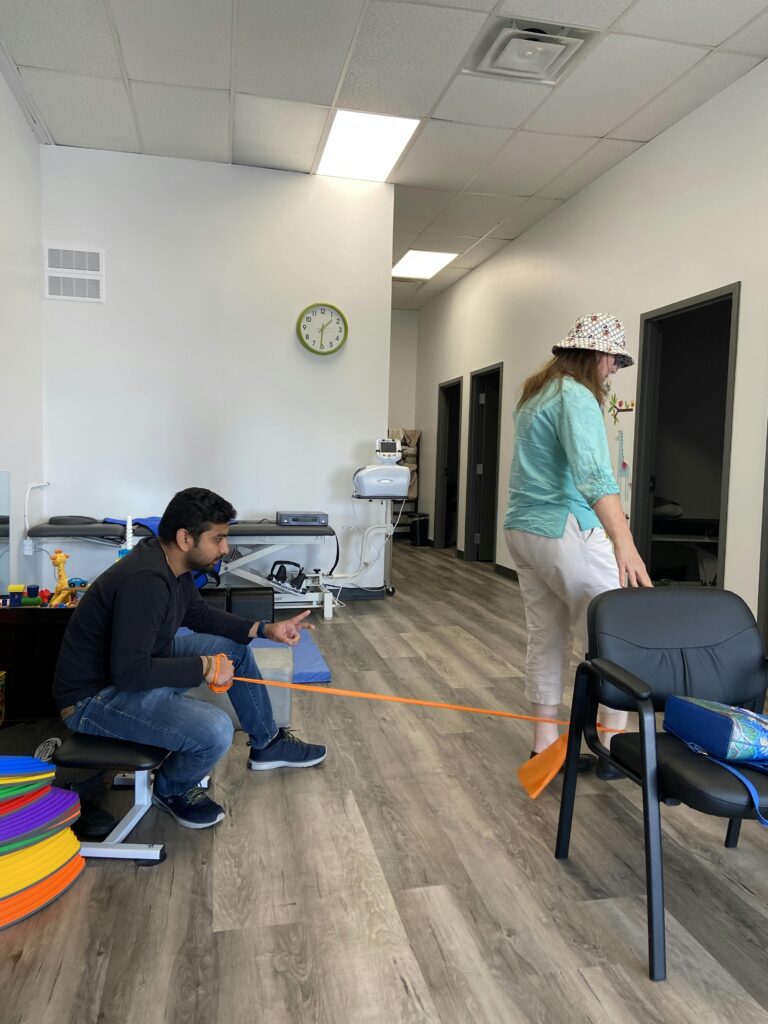
Maintaining good balance is essential for staying active, independent, and confident as we age. Simple everyday activities such as walking, climbing stairs, getting out of a chair, or stepping over an uneven surface require coordination, muscle strength, and stability. However, these movements can become more challenging as the body experiences age-related changes.
For older adults, reduced balance can increase the risk of falls and make everyday activities feel less comfortable. It may also lead to a fear of falling, causing people to avoid physical activity and gradually lose strength and mobility.
The good news is that balance is a skill that can be improved with appropriate physical activity and consistent practice. Balance exercises for seniors can help strengthen important muscle groups, improve coordination, support walking ability, and make everyday movements more manageable.
Physiotherapy can also play an important role by identifying individual balance difficulties and developing a safe exercise program based on a person’s physical abilities.
In this guide, we explore the best balance exercises for seniors, why balance changes with age, how often older adults should exercise, and how physiotherapy can help reduce fall risks and support long-term independence.
1. Why Is Balance Important as You Get Older?
Balance is the ability to maintain control of your body while sitting, standing, walking, or changing positions.
It depends on several systems working together:
- Muscular system: Leg, hip, and core muscles help maintain stability.
- Visual system: Your eyes help identify obstacles and understand your surroundings.
- Vestibular system: The inner ear helps your brain understand movement and head position.
- Nervous system: The brain processes information and coordinates your body’s responses.
- Sensory system: Receptors in your muscles and joints help you understand where your body is positioned.
As people age, changes in these systems can affect stability and coordination.
For example, reduced leg strength may make it difficult to stand up from a chair. Reduced ankle mobility can affect walking on uneven surfaces, while changes in vision may make it harder to identify obstacles.
This is why balance exercises for seniors should focus on more than simply standing on one leg. An effective program should also address strength, coordination, mobility, and functional movements.
Improving these abilities can help older adults maintain confidence while performing everyday activities.
2. What Causes Balance Problems in Seniors?
Balance problems can develop gradually or occur because of an underlying health condition. Identifying the cause is important when choosing the right treatment or exercise program.
Some common contributing factors include:
Age-Related Muscle Weakness
Muscle mass and strength can gradually decrease with age, a condition known as sarcopenia.
Weakness in the thighs, hips, calves, and core can make it harder to maintain stability while walking, standing, or changing direction.
Reduced Joint Mobility
Stiffness in the ankles, knees, hips, and spine can restrict movement.
When joints cannot move comfortably, the body may have difficulty adjusting its position during everyday activities.
Inner Ear Problems
The vestibular system plays an important role in balance. Conditions affecting the inner ear can cause dizziness, vertigo, and unsteadiness.
Vision Changes
Reduced visual clarity, difficulty judging distances, and changes in depth perception can make navigating unfamiliar environments more difficult.
Medication Side Effects
Some medications can contribute to dizziness, drowsiness, or changes in blood pressure.
Older adults experiencing these effects should discuss them with their healthcare provider.
Neurological Conditions
Certain neurological conditions can affect coordination, muscle control, sensation, and movement.
Previous Falls
A previous fall can indicate an increased risk of another fall. Some people also become afraid of falling again and begin avoiding movement, which can contribute to further muscle weakness.
Understanding these factors helps physiotherapists determine which balance exercises for seniors are appropriate and whether additional medical assessment is needed.
3. 7 Effective Balance Exercises for Seniors to Try at Home
Regular movement can help older adults maintain strength, coordination, and mobility.
The following balance exercises for seniors are common examples of activities that may be included in a rehabilitation program. They require minimal equipment and can often be adapted to different ability levels.
Safety first: Perform standing exercises beside a sturdy kitchen counter or stable support. Wear supportive footwear and keep the surrounding area clear. If you have recently fallen, experience dizziness, or have significant mobility limitations, consult a healthcare professional before starting.
Exercise 1: Sit-to-Stand
<exercise description>
Sit-to-stand is one of the most useful functional exercises for older adults because it strengthens the muscles needed for everyday movements.
How to perform it:
- Sit on a stable chair with your feet flat on the floor.
- Position your feet comfortably beneath your knees.
- Lean slightly forward.
- Push through your feet to stand up.
- Slowly lower yourself back into the chair.
Suggested starting point: 5–10 repetitions, depending on your ability.
Benefits:
- Strengthens the thighs and glutes.
- Improves functional leg strength.
- Supports independence when getting up from chairs.
- Helps prepare the body for everyday movement.
Exercise 2: Supported Heel Raises
Heel raises strengthen the calf muscles, which help control ankle movement and support stability while walking.
How to perform it:
- Stand behind a sturdy chair or counter.
- Hold the support with both hands.
- Slowly lift your heels off the floor.
- Pause briefly at the top.
- Lower your heels slowly.
Suggested starting point: 8–12 repetitions.
Benefits:
- Strengthens calf muscles.
- Supports ankle stability.
- Helps improve lower-leg strength.
- Encourages controlled movement.
Exercise 3: Sideways Weight Shifting
Weight shifting helps develop awareness of body position and improves the ability to control movement.
How to perform it:
- Stand with your feet comfortably apart.
- Hold a stable counter for support.
- Slowly shift your body weight towards your right foot.
- Return to the centre.
- Shift your weight towards your left foot.
Suggested starting point: 8–10 controlled shifts in each direction.
Benefits:
- Improves weight distribution.
- Develops movement awareness.
- Supports balance control.
- Helps prepare for walking and stepping activities.
Exercise 4: Supported Single-Leg Standing
Single-leg standing challenges balance by requiring the body to maintain stability while one foot is lifted.
How to perform it:
- Stand beside a sturdy counter.
- Hold the counter securely.
- Slowly lift one foot slightly off the floor.
- Maintain your balance for a few seconds.
- Lower your foot and repeat with the other leg.
Suggested starting point: 3–5 seconds per side, with support.
Benefits:
- Challenges static balance.
- Encourages hip and ankle stability.
- Develops coordination.
- Helps practise movements used during walking and dressing.
Do not attempt unsupported single-leg standing if you are at risk of falling.
Exercise 5: Seated Marching
Seated marching is a useful starting exercise for older adults who find standing activities difficult.
How to perform it:
- Sit upright in a stable chair.
- Keep both feet flat on the floor.
- Slowly lift your right knee.
- Lower it and repeat with your left knee.
- Continue alternating between legs.
Suggested starting point: 10 repetitions per leg.
Benefits:
- Encourages hip movement.
- Activates lower-body muscles.
- Supports mobility.
- Provides a lower-impact exercise option.
Exercise 6: Supported Side Leg Raises
This exercise targets the muscles around the hips, which help maintain stability during walking and standing.
How to perform it:
- Stand behind a stable chair.
- Hold the chair for support.
- Keep your upper body upright.
- Slowly move one leg out towards the side.
- Return it to the starting position.
- Repeat with the other leg.
Suggested starting point: 8–10 repetitions per side.
Benefits:
- Strengthens the hip muscles.
- Supports side-to-side stability.
- Improves lower-body control.
- Helps with functional movement.
Exercise 7: Supported Heel-to-Toe Walking
Heel-to-toe walking challenges dynamic balance and coordination.
How to perform it:
- Stand near a wall or stable support.
- Take a small step forward.
- Position the heel of your front foot close to the toes of your back foot.
- Continue with controlled steps.
- Use support whenever needed.
Suggested starting point: 5–10 controlled steps.
Benefits:
- Challenges walking balance.
- Encourages coordination.
- Improves awareness of foot placement.
- Practises controlled movement.
The number of repetitions is only a starting guide. A physiotherapist can modify these exercises according to strength, mobility, health conditions, and individual fall risk.
4. How Often Should Seniors Do Balance Exercises?
One of the most common questions about balance exercises for seniors is how frequently they should be performed.
Consistency is important. However, the ideal exercise frequency depends on physical ability, health conditions, and the type of exercise being performed.
The Canadian 24-Hour Movement Guidelines recommend that adults aged 65 and older include activities that challenge balance, along with regular aerobic and muscle-strengthening activities.
A Canadian osteoporosis and fracture-prevention guideline also recommends balance and functional training at least twice weekly to reduce fall risk.
A practical weekly routine may include:
| Activity | Suggested frequency |
|---|---|
| Balance exercises | At least 2–3 sessions weekly |
| Strength training | At least 2 days weekly |
| Moderate aerobic activity | Work towards 150 minutes weekly |
| Light movement | Throughout the day |
Older adults who are currently inactive should begin with manageable activities and gradually increase their exercise levels.
It is not necessary to complete a long workout in one session. Short, consistent periods of appropriate movement can help build an exercise habit.
5. What Is the Best Exercise for Balance in Seniors?
There is no single exercise that improves every aspect of balance.
However, certain movements are particularly useful because they challenge stability and strengthen muscles involved in everyday activities.
Some examples include:
Single-leg standing: Challenges the body’s ability to maintain stability on one leg.
Sit-to-stand: Develops functional leg strength needed for everyday movements.
Heel-to-toe walking: Challenges coordination and dynamic balance.
Tai Chi: Combines controlled movement, weight shifting, coordination, and balance training.
Supported heel raises: Strengthen the calf muscles and support ankle control.
For the best results, a balanced exercise program should include different types of movement rather than relying on one exercise alone.
The right combination will depend on the individual’s health, mobility, and rehabilitation goals.
6. How Physiotherapy Helps Improve Balance in Seniors
Although home exercises can be useful, some older adults need a more structured approach.
Physiotherapy helps identify the reasons behind balance difficulties and provides an individualized rehabilitation plan.
Here are some ways physiotherapy can support older adults.
Individual Balance Assessment
A physiotherapist may evaluate standing balance, walking ability, coordination, muscle strength, joint mobility, and functional movement.
This helps identify specific areas that may increase fall risk.
Personalized Exercise Programs
Not every balance exercise is appropriate for every person.
A physiotherapist can select exercises based on individual abilities and gradually increase the difficulty as control improves.
Strength and Mobility Training
Weakness and joint stiffness can affect stability.
Physiotherapy may include strengthening and mobility exercises targeting the legs, hips, ankles, and core.
Gait and Walking Rehabilitation
Gait training focuses on walking patterns, foot placement, step length, turning, and movement control.
This can help older adults become more confident during everyday walking.
Fall Prevention Education
Physiotherapists can provide guidance on safer movement techniques, appropriate footwear, assistive devices, and practical strategies for reducing fall risks.
The goal is to help people move with greater confidence and maintain independence for as long as possible.
7. How to Prevent Falls at Home
Balance exercises for seniors are important, but fall prevention also involves making the home environment safer.
Many everyday hazards can contribute to falls, particularly in areas where people frequently walk.
Consider these practical precautions:
Keep Walking Areas Clear
Remove loose rugs, electrical cords, clutter, and other objects that may cause someone to trip.
Improve Home Lighting
Ensure hallways, staircases, bathrooms, and bedrooms have adequate lighting.
Night lights can help older adults move around more safely after dark.
Install Handrails and Grab Bars
Handrails on staircases and grab bars in suitable bathroom locations can provide additional support.
Choose Supportive Footwear
Wear properly fitted shoes with supportive soles and good traction.
Avoid loose slippers or walking in socks on slippery surfaces.
Be Careful in Bathrooms
Use appropriate non-slip surfaces and keep floors dry whenever possible.
Prepare for Canadian Winter Conditions
Snow and ice can create additional challenges for older adults.
Wear appropriate winter footwear, use designated handrails, and avoid walking on icy surfaces whenever possible.
Small changes around the home can complement an exercise program and help reduce environmental fall risks.
8. Signs That You May Need Professional Balance Training
Occasional unsteadiness should not always be dismissed as a normal part of ageing.
Certain changes may indicate that an older adult would benefit from a professional assessment.
Consider seeking guidance if you or a family member:
- Frequently feel unsteady while walking.
- Have experienced one or more falls.
- Hold onto furniture while moving around the house.
- Struggle to stand up from a chair.
- Have difficulty climbing stairs.
- Feel dizzy or experience episodes of vertigo.
- Avoid activities because of fear of falling.
- Notice reduced leg strength or coordination.
A physiotherapist can assess movement and identify appropriate rehabilitation options.
However, sudden dizziness, fainting, new weakness, severe headache, chest pain, or sudden difficulty walking requires urgent medical evaluation rather than routine exercise.
9. Balance Exercises for Seniors: A Simple Weekly Routine
Developing a consistent routine can make it easier to stay active.
The following is an example of how different exercises can be organized throughout the week.
| Day | Suggested activity |
|---|---|
| Monday | Sit-to-stand, heel raises and supported weight shifting |
| Tuesday | Gentle walking and mobility exercises |
| Wednesday | Supported single-leg standing and side leg raises |
| Thursday | Light physical activity and stretching |
| Friday | Sit-to-stand, heel-to-toe walking and heel raises |
| Saturday | Appropriate walking or supervised balance training |
| Sunday | Gentle mobility and recovery |
This is an illustrative routine, not a prescription for every older adult. Exercise intensity and frequency should be adapted to individual health and fall risk.
For someone who has experienced recent falls or has significant balance difficulties, a physiotherapist should help establish a safe starting program.
10. How MM Physio Supports Better Balance and Mobility
Maintaining independence is about more than simply avoiding falls. It means being able to participate in everyday activities with confidence and comfort.
At MM Physio, physiotherapy focuses on helping individuals improve movement, address physical limitations, and work towards meaningful functional goals.
For older adults experiencing balance or mobility difficulties, treatment may include:
- Personalized balance and coordination exercises.
- Lower-body strengthening.
- Functional movement training.
- Walking and gait rehabilitation.
- Joint mobility and flexibility exercises.
- Fall prevention education.
- Individualized home exercise recommendations.
The treatment approach depends on each person’s assessment, health history, and rehabilitation goals.
Whether you want to improve walking confidence, feel steadier on stairs, or regain mobility after an injury, professional physiotherapy guidance can help you work towards better movement.
MM Physio supports individuals across its clinic locations in Canada with rehabilitation services focused on improving physical function and quality of life.
If you or someone in your family is experiencing balance difficulties, consider arranging a physiotherapy assessment to explore suitable treatment options.
Frequently Asked Questions About Balance Exercises for Seniors
1. What are the best balance exercises for seniors at home?
Some useful exercises include supported single-leg standing, sit-to-stand, heel raises, side leg raises, weight shifting, and heel-to-toe walking. The most appropriate exercises depend on the person’s strength, mobility, and fall risk.
2. How can a 70-year-old improve their balance?
A 70-year-old can work on balance through appropriate strength training, supported balance exercises, regular physical activity, and mobility training. Exercises should start at a comfortable level and progress gradually.
3. What is the number one exercise for improving balance?
There is no universally best exercise. Supported single-leg standing is a common balance exercise, while sit-to-stand helps build functional leg strength. Combining different exercises generally provides a more complete approach.
4. How often should seniors do balance exercises?
Older adults should include balance-challenging activities in their regular exercise routine. Balance and functional training at least twice weekly is supported by Canadian osteoporosis and fracture-prevention recommendations. Individual programs may require different frequencies.
5. Can balance improve after age 70 or 80?
Yes. Older adults can improve strength, coordination, and functional balance through appropriately selected exercises. Age alone does not mean that balance training is no longer beneficial.
6. Do balance exercises really help prevent falls?
Yes. Research supports exercise programs that challenge balance and improve functional strength as an important fall-prevention strategy. However, exercise cannot eliminate every fall risk, and other factors such as medications, vision, and home safety should also be considered.
7. Why do seniors lose their balance while walking?
Possible causes include reduced muscle strength, joint stiffness, changes in vision, inner-ear conditions, neurological problems, medication effects, and reduced coordination. A healthcare professional can help identify the underlying cause.
8. Is walking enough to improve balance in older adults?
Walking is beneficial for general health and cardiovascular fitness, but it does not necessarily challenge balance enough to address fall risk. Combining walking with targeted balance and strength exercises is generally more effective.
9. Are chair exercises good for seniors with poor balance?
Yes. Seated exercises such as marching, knee extensions, and controlled upper-body movements can help maintain strength and mobility. They can be a useful starting point for people who cannot safely perform standing exercises.
10. Can physiotherapy help with balance problems?
Yes. Physiotherapy can help identify physical factors contributing to balance difficulties and provide individualized exercises to improve strength, coordination, mobility, and walking ability.
11. What should seniors avoid when doing balance exercises?
Older adults should avoid exercises that exceed their current abilities, particularly unsupported standing activities, unstable surfaces, and movements that cause dizziness or pain. A stable support and appropriate supervision are important when needed.
12. When should an older adult see a physiotherapist for balance problems?
An assessment may be helpful after a fall, when walking becomes less stable, when standing up becomes difficult, or when fear of falling limits daily activities. Sudden or severe balance changes require prompt medical assessment.
Conclusion
Maintaining balance is an important part of healthy ageing. Although changes in muscle strength, coordination, joint mobility, and sensory function can affect stability, older adults can work towards better movement through appropriate physical activity and rehabilitation.
Balance exercises for seniors can help strengthen the lower body, improve coordination, develop movement control, and support everyday independence.
Combining balance training with strength exercises, safe walking habits, and practical home modifications can create a more complete approach to fall prevention.
At MM Physio, the focus is on helping individuals move better, improve physical function, and work towards an active and independent lifestyle.
Take the first step towards better balance, greater confidence, and safer movement with professional physiotherapy support.