
Getting Better After a Sports Injury With Physical Therapy

Effective Sports Injury Physiotherapy: Your Guide to Recovery and Rehabilitation
By Nishchay Modi, MM Physio
Recovering from a sports injury can be a challenging journey, but with the right approach, it is possible to regain strength and functionality. This article delves into the role of physiotherapy in sports injury recovery, highlighting common injuries, rehabilitation techniques, and the importance of mental wellness during recovery. By understanding how physiotherapy aids in recovery, athletes and active individuals can make informed decisions about their rehabilitation process. We will explore various aspects of physiotherapy, including customized rehabilitation exercises, pain management strategies, and the integration of mental health support. Finally, we will discuss how to initiate a recovery plan with MM Physio Clinic, a specialized provider in physiotherapy services.
What Are Common Sports Injuries and How Does Physiotherapy Aid Recovery?
Sports injuries can vary widely, but some of the most common include sprains, strains, fractures, and tendonitis. Physiotherapy plays a crucial role in the recovery process by employing various techniques to alleviate pain and restore function. Through targeted rehabilitation, physiotherapists help patients regain strength, flexibility, and mobility, ultimately enabling them to return to their sport or activity safely.
A multidisciplinary approach is often crucial for effective sports injury recovery, integrating physical therapy with various other healthcare services to address all aspects of an athlete’s well-being.
Multidisciplinary Approach to Sports Injury Recovery & Physiotherapy
Optimizing recovery from sports injuries requires a multidisciplinary approach that integrates various healthcare professionals to address the complex needs of athletes. Physical therapy plays a crucial role in this process, focusing not only on physical rehabilitation but also on the psychological and emotional aspects of recovery. The rehabilitation journey typically begins with a thorough assessment by a team that may include physicians, athletic trainers, physical therapists, and nutritionists. This collaborative effort ensures a personalized treatment plan tailored to the athlete’s specific injury and sport.
Optimizing recovery after sports injuries: a multidisciplinary approach to physical therapy in athletes, 2024
Which sports injuries benefit most from physiotherapy rehabilitation?
Physiotherapy is particularly effective for a range of sports injuries, including:
- ACL Injuries: Rehabilitation focuses on restoring knee stability and strength through specific exercises.
- Shoulder Injuries: Tailored programs address pain and improve range of motion, essential for athletes involved in overhead sports.
- Ankle Sprains: Physiotherapy aids in reducing swelling and restoring function through progressive rehabilitation exercises.
These targeted approaches not only facilitate recovery but also help prevent future injuries by strengthening the affected areas.
How does physiotherapy address pain relief and functional restoration?
Physiotherapy employs various methods to manage pain and restore function effectively. Techniques such as manual therapy, therapeutic exercises, and modalities like ultrasound and electrical stimulation are commonly used.
These methods work synergistically to enhance recovery outcomes, allowing athletes to return to their activities more quickly and safely.
How Are Rehabilitation Exercises Customized for Athletes After Injury?
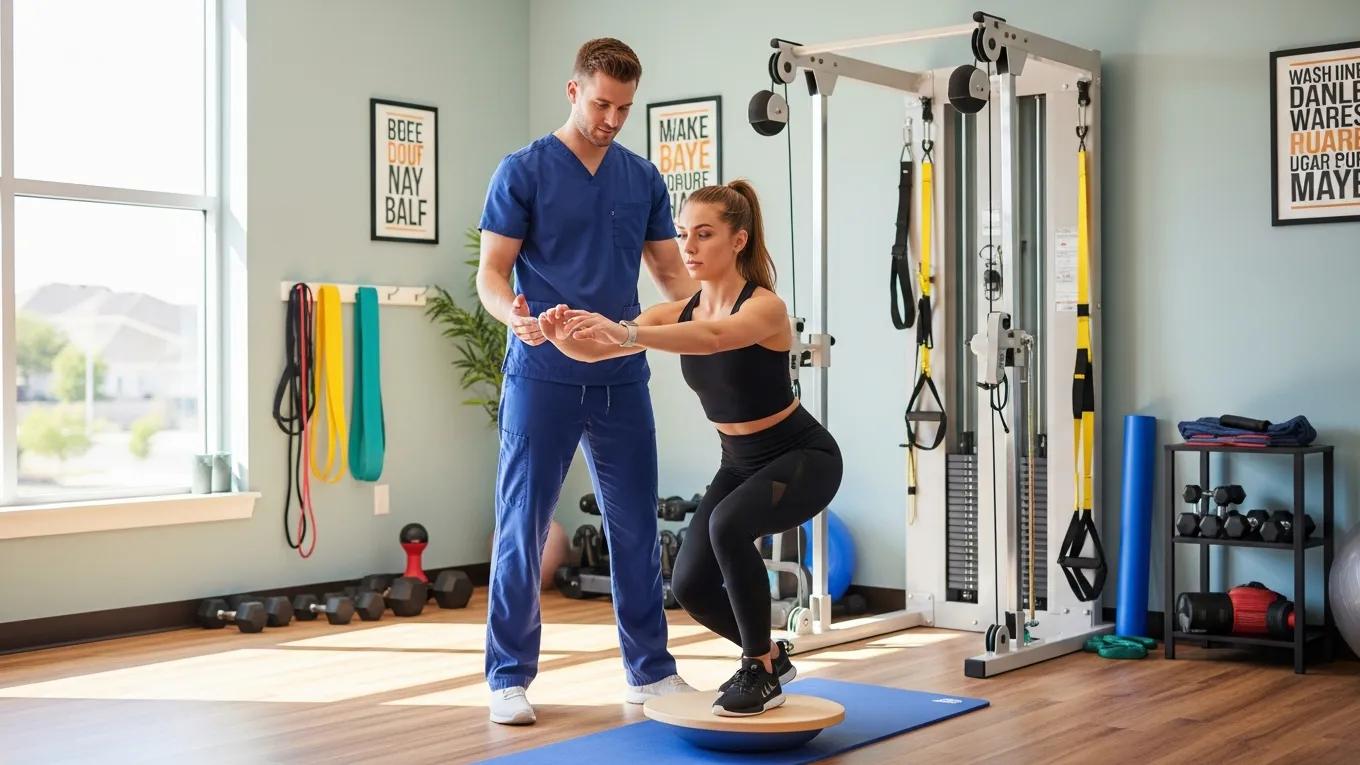
Rehabilitation exercises are tailored to meet the specific needs of each athlete, taking into account the type of injury, the athlete’s sport, and their individual recovery goals. This customization is essential for effective rehabilitation and optimal recovery.
What physical therapy techniques support effective athlete injury treatment?
Several physical therapy techniques are integral to effective athlete injury treatment, including:
- Strength Training: Focuses on rebuilding muscle strength around the injured area.
- Balance and Coordination Exercises: Essential for athletes to regain stability and prevent falls.
- Functional Training: Mimics sport-specific movements to prepare athletes for a safe return to their sport.
These techniques ensure that rehabilitation is not only effective but also relevant to the athlete’s specific sport and performance requirements.
How do personalized recovery plans improve rehabilitation outcomes?
Personalized recovery plans are crucial for improving rehabilitation outcomes. By assessing the athlete’s unique needs and progress, physiotherapists can adjust treatment plans accordingly. This ongoing assessment allows for:
- Targeted Therapeutic Exercises: Focused on the specific muscles and movements required for the athlete’s sport.
- Regular Monitoring: Ensures that the recovery process is on track and adjustments are made as needed.
- Education and Empowerment: Athletes learn about their injuries and recovery strategies, fostering a proactive approach to their rehabilitation.
This tailored approach significantly enhances the likelihood of a successful recovery.
What Role Does Mental Wellness Play in Sports Injury Recovery?

Mental wellness is a critical component of the recovery process, as injuries can take a toll on an athlete’s psychological state. Addressing mental health alongside physical rehabilitation can lead to better overall outcomes.
Understanding the athlete’s perspective on injury and recovery, particularly concerning mental and emotional well-being, is essential for successful rehabilitation.
Mental Wellness & Sports Injury Recovery for Athletes
Lastly, understanding how the female athlete views injury and recovery may allow us to successfully return injured athletes to sport. The goal of this article is to provide an overview of how a female athlete’s mental and emotional well-being affect her athletic performance, injury risk and recovery following sports-related injury.
The psychology of the female athlete: how mental health and wellness mediate sports performance, injury and recovery, 2021
How does integrating mental health support enhance physiotherapy results?
Integrating mental health support into physiotherapy can enhance recovery by:
- Reducing Anxiety: Helping athletes cope with the stress of injury and recovery.
- Improving Motivation: Encouraging adherence to rehabilitation programs.
- Enhancing Resilience: Building mental strength to overcome challenges during recovery.
By addressing both physical and mental aspects of recovery, athletes can achieve a more holistic healing process.
What strategies support mental wellness during post-injury rehabilitation?
Several strategies can support mental wellness during rehabilitation, including:
- Mindfulness and Relaxation Techniques: Such as meditation and deep breathing exercises to reduce stress.
- Goal Setting: Establishing realistic and achievable goals to maintain motivation.
- Support Networks: Engaging with coaches, teammates, and mental health professionals for encouragement and guidance.
These strategies not only aid in mental recovery but also contribute to a more effective physical rehabilitation process.
How Can You Begin Your Post-Injury Recovery Plan with MM Physio Clinic?
Starting your recovery journey with MM Physio Clinic involves a structured approach to ensure optimal outcomes. The process typically includes:
- Initial Assessment: A comprehensive evaluation to understand your injury and recovery needs.
- Customized Treatment Plan: Development of a tailored rehabilitation program based on your specific goals and injury type.
- Ongoing Evaluation and Education: Regular check-ins to monitor progress and adjust the treatment plan as necessary.
MM Physio Clinic specializes in physiotherapy services with a focus on rehabilitation after sports injuries. The clinic offers tailored physical therapy programs designed to support athletes and active individuals in Cambridge, Guelph, and Kitchener. By following this structured approach, you can effectively navigate your recovery journey and return to your sport stronger than before.